Topic: Metadata

5 chapters across the catalog

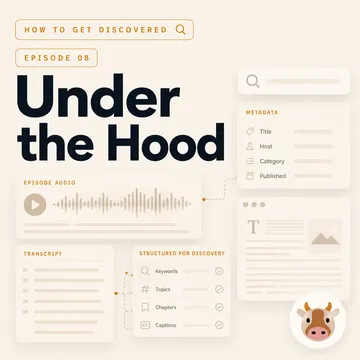
Under the Hood
Episode 8 1:47 - 4:06

8: Under the Hood

Search Engine Perception of Structured Podcast Pages

Search engines like Google and Bing interpret webpages as structured documents rather than visual layouts. While humans see headings and players, search engines read invisible metadata and tags that define whether a page is a recipe, product, or podcast episode. Properly identifying a page as a podcast episode allows search engines to surface specific moments in carousels and specialized search panels.

Stop Writing Bad Show Notes
Episode 6 8:42 - 11:31

6: Stop Writing Bad Show Notes

Metadata Optimization and Strategic Category Selection

The discussion shifts to the technical metadata fields in hosting platforms, such as show descriptions and category tags, which dictate how apps like Apple Podcasts and Spotify render a show. Tom explains the strategic advantage of choosing specific subcategories like "investing" or "careers" over broad categories like "business" to reduce competition and increase chart visibility. While category browsing is a marginal gain, it contributes to the overall "marginal gains stack" for discovery.

The Loyalty Trap
Episode 4 0:00 - 2:28

4: The Loyalty Trap

The Loyalty Trap, Case Against Growth Tactics

A discussion titled The Loyalty Trap posits that chasing new listeners through search and discoverability is a distraction from creating content for loyal audiences. The argument suggests that podcasters often optimize their way into mediocrity by prioritizing titles, thumbnails, and SEO over deep preparation and high-quality questioning. This focus on infrastructure and growth tactics is claimed to drain the energy required to make a show that listeners truly love.

Whose House Are You Building
Episode 2 15:18 - 15:57

2: Whose House Are You Building

Metadata and Feed Descriptions in Podcast Directories

Episode descriptions in the RSS feed are the primary source of metadata for directories like Apple Podcasts and Spotify. Despite their importance in helping listeners decide whether to engage with a show, many creators leave these fields blank or provide only a single sentence. Optimizing this text is one of the most impactful "easy wins" for improving show visibility across all podcast apps.

Invisible Shows
Episode 1 4:16 - 6:10

1: Invisible Shows

Word of Mouth Versus Search Engine Optimization for Growth

The discussion contrasts organic word-of-mouth growth with intentional search engine optimization. One perspective argues that high-quality content naturally creates evangelists who recommend the show, while the opposing view suggests that word-of-mouth has a natural ceiling. Concerns are raised that focusing too heavily on metadata and SEO can distract creators from the quality of their writing and production.