Topic: Google

Google comes up in 10 chapters across 5 episodes of How to Get Discovered, from August 2026 to October 2026.

August 2026 October 2026

Related topics

Compounding
Episode 9 • • 1:22 - 2:38

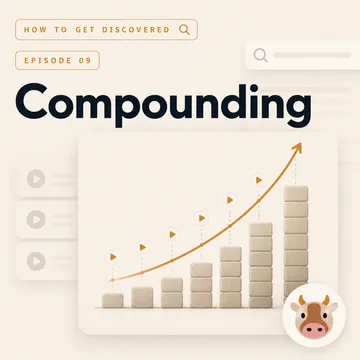
9: Compounding

First Three Weeks of Podcast SEO and Indexing

The first three weeks of making a podcast searchable often yield minimal results, as search engines like Google take time to crawl and index new pages. In the fictional gardening show example, the first week sees almost no traffic, while the second week marks the beginning of indexing for specific topics like "Blight." By week three, the show may see a handful of search impressions and rare visits from AI tools like Perplexity.ai, highlighting the slow start of the discovery process.
googleindexingsearch engineperplexity aisearch impressions
Compounding
Episode 9 • • 2:39 - 4:37

9: Compounding

Google Probation and Domain Authority for New Content

New web pages and podcast transcripts undergo a "probation" period where Google tests their quality by placing them low in search results for niche queries. While a sitemap informs search engines of a page's existence quickly, building trust and domain authority takes months of consistent performance. AI assistants are often even slower to recommend content, as they rely on established data that has already been crawled and trusted by traditional search engines.

googlesitemapdomain authorityprobationsearch rankings
Compounding
Episode 9 • • 8:03 - 10:09

9: Compounding

Analyzing Traffic Sources and Google Search Console

Podcasters can use tools like Google Search Console and PodHerd analytics to identify which episodes attract strangers and where that traffic originates, including Reddit, newsletters, or AI platforms. Search Console is particularly valuable for identifying "near-misses" where an episode appears in results but fails to get clicks, often indicating a title problem rather than a search issue. Monitoring these metrics helps creators understand listener intent, such as the high demand for practical advice on slugs versus historical interviews.

Under the Hood
Episode 8 • • 0:00 - 2:13

8: Under the Hood

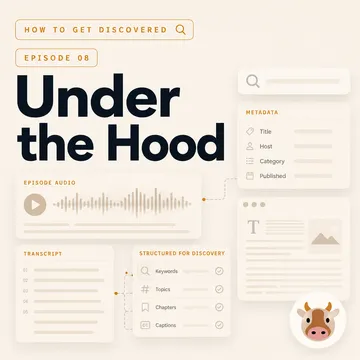
Podcast Search Visibility and Under the Hood Technical Basics

Hosts Maya and Tom introduce episode 8 of How To Get Discovered, titled Under the Hood, focusing on the technical aspects of how search engines process podcast transcript pages. They establish a "plain English" rule to avoid unexplained jargon throughout the discussion. The segment contrasts two identical-looking web pages to explain why one might be invisible to Google while the other is easily discoverable.

Under the Hood
Episode 8 • • 7:13 - 9:16

8: Under the Hood

Google Search Indexing and Web Crawlers

The process of how a webpage enters search results is explained through the actions of crawlers, which are programs that follow links to catalogue the web. For a page to appear in results, Google must discover it via links or sitemaps, decide to keep it in its index, and then rank it as a quality answer. Factors influencing this include page clarity, loading speed, and the site's historical track record.

googlecrawlersindexingsitemapssearch results
Under the Hood
Episode 8 • • 12:50 - 14:50

8: Under the Hood

Google Search Console and Performance Data

Google Search Console is a free tool that provides creators with data on search impressions, clicks, and rankings, provided they can prove ownership of the domain. This data allows podcasters to identify which episodes are appearing in searches and whether their titles are effectively attracting clicks. PodHerd integrates this data for users on its higher-tier plans to help them stop guessing about their show's performance.

When ChatGPT Recommends Your Show
Episode 3 • • 12:02 - 13:23

3: When ChatGPT Recommends Your Show

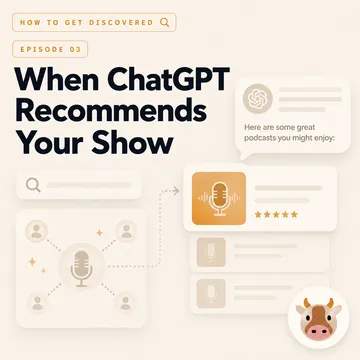
Analytics for AI Referrers and Search Insights

PodHerd analytics allow creators to track whether traffic is actually coming from AI platforms like ChatGPT or Perplexity. Integration with Google Search Console further helps podcasters verify if their "findability" strategy is resulting in real clicks and impressions rather than just theoretical mentions.

Whose House Are You Building
Episode 2 • • 2:00 - 4:51

2: Whose House Are You Building

Domain Authority and Long-Term SEO Credit

Search engines like Google build trust in established websites over time, a concept historically referred to as domain authority. When podcasters host episode pages on a hosting provider's subdomain, the SEO credit benefits the host rather than the creator. Maintaining a personal domain ensures that links, rankings, and bookmarks remain portable even if the creator changes hosting networks or services.

seodomain authoritygoogle searchbacklinkssubdomains
Whose House Are You Building
Episode 2 • • 9:46 - 11:51

2: Whose House Are You Building

Google Search Console and Keyword Discovery

Google Search Console provides website owners with data on search impressions and click-through rates for specific queries. This tool requires domain verification, meaning creators on "rented" addresses cannot access this data. Utilizing these analytics allows podcasters to discover the actual search intent behind their traffic, such as listeners finding an episode through specific niche questions rather than the intended topic.

Invisible Shows
Episode 1 • • 6:21 - 7:50

1: Invisible Shows

Evolution of Podcast Transcripts and Search Engines

The effectiveness of podcast transcripts has evolved from simple walls of text to structured data that search engines like Google can index more effectively. Older methods of posting unformatted transcripts often failed to drive traffic because they lacked the headings and timestamps necessary for search engines to categorize specific topics within an audio file.