

Topic: Structured Data

4 chapters across the catalog

Under the Hood
Episode 8 0:00 - 1:47

8: Under the Hood

Technical Vocabulary Rules for Podcast Discoverability Discussion

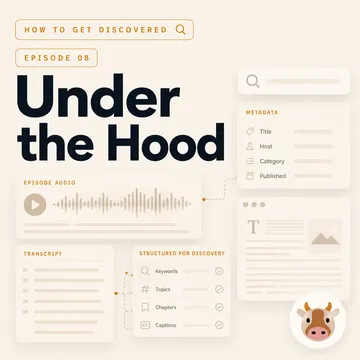
Maya and Tom introduce a technical episode of How to Get Discovered focused on transcript indexing and search engine behavior. Maya establishes a ground rule requiring Tom to define every technical term or three-letter acronym used, such as structured data, to ensure the conversation remains accessible to listeners. Tom hints at a personal admission regarding his own podcast setup to be revealed later in the episode.

Under the Hood
Episode 8 4:06 - 5:50

8: Under the Hood

Schema.org and Structured Data for Podcast Hosting

Structured data follows the schema.org vocabulary, allowing platforms to explicitly label titles, descriptions, durations, and transcripts for search engines. Many podcast hosting platforms fail to prioritize this markup, causing Google to index show notes as generic blog posts with audio rather than specialized podcast content. This technical legibility is increasingly vital for AI systems building topical databases of existing podcasts.

Whose House Are You Building
Episode 2 13:37 - 15:18

2: Whose House Are You Building

Best Practices for Writing Effective Podcast Show Notes

Effective show notes should function as a standalone summary of the episode, featuring three paragraphs that outline the premise, key discussion points, and guest backgrounds. Including quotes and relevant links improves the user experience for listeners who browse before they play. High-quality show notes prevent potential listeners from bouncing and improve the overall professional presentation of the show.

Invisible Shows
Episode 1 7:57 - 10:24

1: Invisible Shows

Structured Transcripts and PodHerd for Search Traffic

Standard podcast transcripts are often published as unstructured "blobs" of text that search engines cannot effectively parse or understand. By using tools like PodHerd to index and structure episodes with specific URLs and timestamps, creators can surface specific moments for search traffic. Data from an eight-month trial showed that properly indexed old episodes began receiving steady traffic and new subscribers years after their original release.