

Topic: Hosting Platforms

4 chapters across the catalog

Under the Hood
Episode 8 4:06 - 5:50

8: Under the Hood

Schema.org and Structured Data for Podcast Hosting

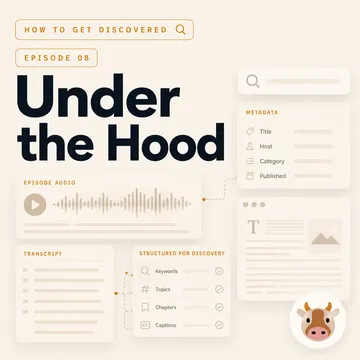
Structured data follows the schema.org vocabulary, allowing platforms to explicitly label titles, descriptions, durations, and transcripts for search engines. Many podcast hosting platforms fail to prioritize this markup, causing Google to index show notes as generic blog posts with audio rather than specialized podcast content. This technical legibility is increasingly vital for AI systems building topical databases of existing podcasts.

Under the Hood
Episode 8 11:25 - 13:04

8: Under the Hood

Domain Authority and Subdomain Hosting Risks

Hosting transcripts on a platform's default subdomain prevents a podcast from building its own long-term search credibility. Established domains with years of history and engagement signals pass "authority" to new pages, allowing them to rank faster and higher. Podcasters using their own custom domains ensure that search performance and compound interest accrue to their own brand rather than the hosting service.

Stop Writing Bad Show Notes
Episode 6 11:31 - 12:22

6: Stop Writing Bad Show Notes

Importance of Feed Descriptions in Podcast Apps

A distinction is made between show notes on a website and the episode description field within a podcast feed. Many creators neglect the feed description, leaving it blank or using a one-liner, which prevents mobile app users from seeing the detailed pitch. The hosts stress that copying website show notes into the hosting platform's description field is a vital, free task that takes only 30 seconds.

Whose House Are You Building
Episode 2 0:51 - 3:39

2: Whose House Are You Building

Owned Domains vs Third-Party Podcast Hosting Platforms

A comparison between two hypothetical podcasters illustrates the risks of relying on third-party platforms like Spotify or Apple for hosting show notes. While many creators use default subdomains or Linktree, this approach builds "equity" for the platform rather than the creator. Owning a dedicated domain ensures that the content remains accessible even if a hosting service rebrands or goes out of business.