

Topic: Rate Negotiation

3 chapters across the catalog

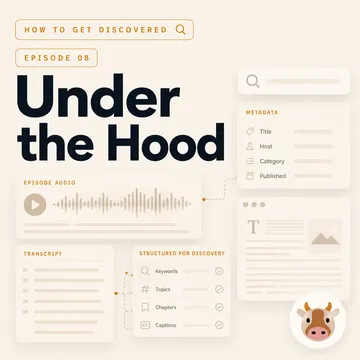
Under the Hood
Episode 8 5:50 - 9:04

8: Under the Hood

Transcript Structure and Addressable Moments via Timestamps

A raw wall of text from a machine transcription service lacks the headings and paragraph breaks necessary for effective search indexing. By breaking a transcript into sections with specific headings and timestamps, each segment receives its own unique URL or "addressable moment." This allows a user searching for a specific topic, such as freelance rate negotiation, to land directly on the relevant audio segment rather than a generic homepage.


The Episode That Won't Die
Episode 5 12:01 - 14:18

5: The Episode That Won't Die

Pricing Back Catalogue Listenership, Industry Standards

The podcast industry's current rate cards are built on the assumption that listens are front-loaded, which may be incorrect for discoverable shows. While back-catalogue listeners have different intent and engagement levels than launch-week fans, their value is not zero. Demonstrating this ongoing reach provides podcasters with a stronger negotiating position, turning discoverability into a tangible financial advantage.

Invisible Shows
Episode 1 6:11 - 7:57

1: Invisible Shows

Back Catalog as a Financial Asset Rather Than Archive

Podcasters are encouraged to view their back catalogs as active assets rather than historical archives. Using an example of a two-year-old episode regarding freelance rate negotiation, the hosts demonstrate that relevant advice often loses its value simply due to its chronological position in a feed. Without proper indexing, valuable evergreen conversations remain hidden from users searching for specific answers on Google.