

Topic: Podcast Analytics

3 chapters across the catalog

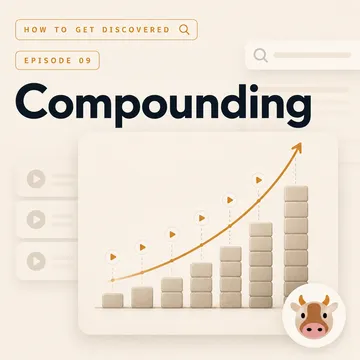
Compounding
Episode 9 2:46 - 5:35

9: Compounding

Podcast Growth Curves, Front-Loaded vs Back-Loaded Listen Patterns

The standard podcast model is front-loaded, where the majority of listens occur within the first 30 days of an episode's release. In contrast, search-driven discovery creates a back-loaded curve where episodes accumulate listens slowly over years, often surpassing their launch month totals by year three. This discrepancy suggests that traditional industry measurements, which focus on the first 90 days, fail to capture the true value of a show's back catalog as a long-term asset.

The Episode That Won't Die
Episode 5 5:47 - 8:05

5: The Episode That Won't Die

PodHerd Implementation, Back Catalogue Indexing Results

The back catalogue was processed through PodHerd to transcribe, structure, and index every episode into sectioned pages with timestamps. After three months, episodes that previously received zero search traffic began seeing consistent weekly listens. One forgotten interview about switching from agency to in-house work emerged as a major driver of new listeners, proving that existing audio holds untapped value if it is made findable.

The Episode That Won't Die
Episode 5 12:01 - 14:18

5: The Episode That Won't Die

Pricing Back Catalogue Listenership, Industry Standards

The podcast industry's current rate cards are built on the assumption that listens are front-loaded, which may be incorrect for discoverable shows. While back-catalogue listeners have different intent and engagement levels than launch-week fans, their value is not zero. Demonstrating this ongoing reach provides podcasters with a stronger negotiating position, turning discoverability into a tangible financial advantage.