

Backloaded Earnings and the Value of Old Episodes
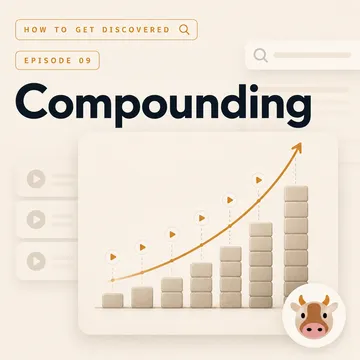
Searchable podcast episodes are "backloaded," meaning they earn more listeners over time compared to traditional episodes that see a spike at launch and then fade. This compounding effect allows a two-year-old episode to potentially outperform its original release month by answering persistent questions. Creators often realize they have been undercounting the value of their work by focusing only on the first fortnight of downloads rather than the long-term return on their "deposit" of content.
back catalogue· download charts· evergreen content· marketing· compounding
05:58 That's the best description of it I've heard. And it's happening to dozens of pages at slightly different speeds, so they come over the edge one at a time. That's your bend. It is. And what I find genuinely odd about it is this: a normal episode is front-loaded. It comes out, the regulars listen in the first week or two, and then it's basically done. Almost everything it'll ever get, it gets at the start. Sure. That's how every download chart works. A searchable episode is backloaded. Its first month is nearly nothing, and then it earns a bit, and a bit more, for as long as people keep asking the question.
06:38 So a two-year-old episode can end up quietly doing more in a month than it did the month it came out. Can? Or does? Can. Some of them, not most. I'd rather undersell this than have someone at home feeling cheated at month two. I'll be honest. The bit that bothers me isn't the allotment pair. It's me. Why? Because I've made something like 350 episodes over 10 years, and I've always done the maths as hours in, downloads in the first fortnight out. By that maths, loads of them didn't pay. If even a handful could have kept earning for years, then I've been undercounting my own work for a decade.
07:21 That's a horrible feeling. I had a version of it. And? Angry at myself for about a week, then angry at podcasting for about another week. Then it turned into something useful, which is that the episodes are still there. They didn't expire. The launch isn't the whole return, it's the deposit. That's a very marketing sentence. It's also true. Here's my real objection. In month two, how do the allotment pair know any of this is happening? From where they're sitting, a trickle and nothing look exactly the same. They look at two things: which pages people are landing on and where those people came from.