

Episode 37 · Wednesday, 6 May 2026

Episode 37: How to write with personality

Injecting authentic personality into business writing requires abandoning formal grammar rules and embracing the specific quirks that make a creator relatable to their ideal clients.

By The Business of Stories | 16m listen | 11 chapters
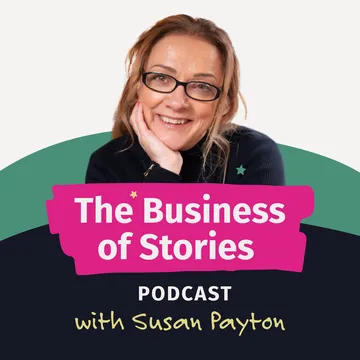
Episode 37: How to write with personality cover
The Business of Stories · No. 37

About this episode

AI-generated content is flooding podcast inquiries and website forms with formulaic, stiff prose that lacks human connection. While platforms like ChatGPT assist in structuring thoughts, the resulting text often prioritizes bland professionalism over the authentic voice required to build trust. This rise in robotic communication creates a significant barrier between creators and their audiences, making personality the most valuable asset in modern marketing.

Effective communication requires abandoning formal school rules in favor of writing exactly how one speaks. Recording a first draft while walking and talking provides a natural flow that transcription tools can later refine for conciseness. Specificity serves as the antidote to vague descriptions; replacing general terms like overwhelmed with sensory details and internal dialogue makes content memorable. Amazon book reviews prove that even the most successful authors face one-star ratings, reinforcing the need to write for an ideal client rather than a general audience. Identifying a natural tone—whether sarcastic, funny, or supportive—ensures the written persona matches the person a reader would meet for coffee.

Personal quirks and odd comparisons provide the unique edges that attract the right collaborators. Reading a finished piece out loud serves as the final test for stiff phrasing and long-winded sections. This approach emphasizes the show, don't tell principle, using real-life anecdotes to prove brand values rather than simply claiming to be passionate or down to earth.


CHAPTER 01 / 11 Discussion

AI Content Pitches, Bland Professionalism in Business Writing

Recent podcast guest inquiries and website forms have shown a rise in AI-generated content that lacks human personality. While AI can assist in structuring thoughts, the resulting text often sounds stiff, formulaic, and overly professional. This lack of authentic voice prevents meaningful human-to-human connection between creators and their audiences.

artificial intelligence· podcast guesting· content creation· personality· business communication

00:54 You're listening to The Business of Stories with Susan Paton, showing you how to share stories that do the selling in your business so you don't have to. So I've had a few emails recently from people asking to be a guest on this podcast which is hugely flattering and I got quite excited when they first started coming in until I started reading them and realised something They were all written by AI. It was very obvious, so I had no way of knowing if they were a good fit for this podcast because i haven't got time to go and track them down and find out who they really are right? They had their chance to show me...and they didn't! They left it to a bot. And I get that AI can help you get what you're trying to say out of your head

01:55 Professional. In quotes But there was no personality in any of them, they're so professional that they're bland The way they tell me about the particular podcast topic that I covered that they really liked which i know is what people are told to do it didn't sound anything like a human talking to another human It sounded stiff and formulaic So how could I possibly know what they sound like in real life? Or actually connect with them and their story, human to human. I couldn't! So if you're going to reach out to someone and ask to be on their podcast write something that sounds like YOU your voice your thoughts your personality And that goes for anything you write or record or put out into the world. I was recently working with someone who wanted me to rewrite their homepage for them

02:55 So I sent them a form to fill in that gives me all the information that i need, to get a real sense of who they are and what they're about so I can write their homepage in their voice. But when I started reading their form just a few sentences in my heart dropped because it had clearly been written by AI The problem with that is it means I'm writing a homepage based on something AI has given me, rather than me getting to truly understand the human behind that business. But I appreciate not everyone knows how to get more of them into their content and emails and their business so i thought i'd do a quick practical episode on how to write with personality

CHAPTER 02 / 11 Discussion

Writing Like You Talk, Recording First Drafts

The first step to injecting personality into content is writing exactly how one speaks rather than following formal school rules. Recording a first draft while walking and talking allows for a natural flow that can later be transcribed and edited for conciseness. This approach prioritizes human connection over perfect grammar.

conversational writing· grammar rules· transcription· content strategy· voice recording

03:47 Okay, let's go. Here are 8 ways to inject more personality into your content, your outreach, your website, your writing, your socials, emails… anything you create that you're putting out into the world that is going to represent, reflect and talk about you and your business So that people actually get a feel for who you really are and a good sense of whether or not you're someone they feel drawn to and connected too. So number one is write like you talk, not like you were taught! Most of us were taught to write in a way that sounds nothing like us – formal, structured, safe

04:42 But we don't talk like that in real life. We talk with passion and personality, quirks and character! So write like you talk… And don't worry about the rules – I start sentences with words that I was told at school not to start sentences with but focus on what sounds good, what flows best, will resonate with my audience AND sound like me My goal is to connect with the person reading my stuff, human-to-human. And if a grammatical error upsets them that much they're probably not my people anyway! One of the best ways to write like you talk is to record the first draft of anything you want to write on your phone I used to do this a lot

05:34 I would just ask myself a question or think about the topic I want to write about, hit record on my phone and start walking. And talking! I wouldn't worry about getting it right or editing as I go – I would just talk. Then when I got back to my desk I would transcribe it, start to edit it and take out the ramblings & repetitions to keep it concise and punchy But at the same time, I would make sure that I didn't change the tone or conversational style. Don't think content – think conversation! So keep your language simple and use everyday words that you know your idle client uses and resonates with which takes us to number two Use Everyday Words

CHAPTER 03 / 11 Discussion

Using Everyday Language, Avoiding Professional Jargon

Effective communication relies on simple, everyday language that resonates with an ideal client's vocabulary. Attempting to sound impressive or overly expert often results in a generic tone that alienates readers. Relatability is more valuable than sounding smart in building a personal brand.

everyday words· relatability· jargon· professional tone· audience engagement

06:27 Stop trying to sound impressive or professional. Focus more on being personal! If you're trying to sound smart, or more experienced, or more expert... You can end up sounding like everyone else which is honestly what the podcast pitches I've had are like People don't connect with impressive they connect with real relatable human So, use simple everyday language. Not because your audience is not intelligent but because they will connect more with something that feels like a conversation – you talking to them – than a stiff formal piece of writing that is devoid all personality or quirks! Which brings us to number 3… Leave your quirk in

CHAPTER 04 / 11 Discussion

Embracing Personal Quirks, Unique Communication Styles

Personality lives in specific phrases, repeated words, and odd comparisons that make an individual unique. Content creators should avoid "sanding off the edges" or trying to be perfect during the editing process. Embracing these unique traits helps attract the right audience who appreciates an authentic perspective.

personality· quirks· authenticity· unique voice· editing

07:21 Your personality lives in the little things, the way you say things. The phrases you repeat. The words you choose. The stories you tell. The way you explain things. Sometimes slightly odd comparisons that your brain makes! All the things that make you, YOU. Embrace who you are don't try and be anyone else Your ways of thinking and feeling and communicating is what makes you unique. So don't edit them out, don't sand off the edges, don't try to be perfect because that's exactly the stuff that some people will like about you – just the way you are! 4. Let People Hear Your Tone

CHAPTER 05 / 11 Discussion

Maintaining Tone, Identifying Personal Brand Voice

Maintaining a consistent tone across written work, such as a book or blog, allows readers to "hear" the author's voice. Creators should identify their natural traits—whether funny, sarcastic, or supportive—by asking trusted friends for feedback. This ensures the marketing persona matches the person one would meet for coffee.

book publishing· tone of voice· brand personality· sarcasm· inspirational

08:12 When my book came out, a lot of people told me that as they read it they could hear my voice in their head. And that's because I wrote the book as close to how I speak as I could! Obviously, my publisher wanted to tidy up a bit but as much as possible I kept my tone and voice and personality in there so that people felt like I was talking to them So what are you like? Funny? Straight-talking? Slightly sarcastic? Supportive, challenging. Let that come through! Be you – the real you – the same person you'd be if someone was having a cup of coffee with you or working with you And if you're not sure, ask some trusted friends Maybe they'll say you're passionate Or calm Or inspirational Or relatable Or down to earth Or reassuring

CHAPTER 06 / 11 Discussion

Specificity in Writing, Using Senses and Emotions

Vague descriptions kill personality, whereas specific details make content memorable and relatable. Instead of stating general feelings like "overwhelmed," writers should describe the exact thoughts and sensory experiences of a moment. Including internal dialogue and emotional reactions brings the writing to life for the reader.

specificity· emotional writing· sensory details· relatability· storytelling

09:13 Then see if that is coming across in your writing and your marketing. Number 5, be specific Being vague can kill the personality in your writing because it becomes generic So for example instead of saying I felt overwhelmed you might say... That's specific, right? And relatable. And because it is specific and relatable it's memorable! So include some of the details to bring your writing to life and use your senses & emotions too Don't just say what happened talk about what you were thinking and feeling when it happened

CHAPTER 07 / 11 Discussion

Writing for Ideal Clients, Ignoring Negative Reviews

Content should be created specifically for an ideal client rather than a general audience. Using the example of Amazon book reviews, it is noted that even great works receive both five-star and one-star ratings. Focusing on the people who already appreciate a specific viewpoint helps build trust and attract the right collaborators.

ideal client· amazon reviews· target audience· storytelling mastery· customer story

10:12 Okay, number six. Write for your people. Write for your ideal client I always tell people in Storytelling Mastery to read and tune into their customer story before they write anything so that you can really feel like you are talking to them And don't worry about the people who are not your ideal client You're not writing for them Stay focused on who you're showing up for Because as well as having the problem you help solve and the story you've come to know and understand, your ideal client is actually someone who likes your stuff appreciates your viewpoint. And who might have been having that exact conversation in their own head just this morning!

11:00 So don't try and write for everyone. You can't, it's impossible! And if you don't believe me go to Amazon click on any book and read the reviews chances are there'll be glowing five-star reviews and scathing one star reviews Same book different people so just be you and you'll attract the people that get you like you trust you maybe want to work with you Number seven speak your mind I'm not suggesting you start ranting, but don't be afraid to share your thoughts and ideas. Have an opinion! Start conversations – get people thinking – throw ideas out there Give another perspective Ask questions Talk to your audience Sharing your thoughts & opinions and experiences even the messy ones will build trust

CHAPTER 08 / 11 Discussion

Sharing Opinions, Building Trust Through Perspectives

Sharing honest thoughts and opinions, even messy ones, establishes a creator as a contributor to a larger conversation. Having a clear stance on how the world should change attracts like-minded individuals. It is not necessary to know everything to open an audience's eyes to a new perspective.

opinions· thought leadership· trust building· perspective· conversation

12:01 People will see you as someone who is contributing to the conversation. You don't have to know everything, but when you talk about how YOU see the world – the change YOU want to see and the stuff that's important to YOU – you'll attract people who see it that way too or like that you've opened their eyes to another way. And number 8 Use Stories Of course I was going to tell you to share stories! Whether they're short stories, personal experiences, anecdotes funny stories honest stories everyday real-life things that have happened. This is what will really make whatever you are writing or creating stand out cut through feel real and personal and authentic this is the show don't tell principle of storytelling

CHAPTER 09 / 11 Discussion

Using Stories, Show Don't Tell Principle

Sharing personal experiences and anecdotes is the most effective way to stand out and feel authentic. Rather than claiming to be "passionate" or "down to earth," creators should use the "show, don't tell" principle. Real-life stories provide the evidence needed to back up brand values.

storytelling· anecdotes· personal experience· authenticity· show don't tell

12:58 Don't tell people you're passionate or down to earth. Show them what that looks like by sharing stories! So now, you have 8 ways to inject personality into everything you do and here's 2 more final tips to think about that will help you right from the heart in a way that feels true to who you are 1. Get your writing juices flowing before you write that story or piece of content or email to your list. Get warmed up by writing something, anything. Journal for 10 minutes or write whatever comes into your head

CHAPTER 10 / 11 Discussion

Writing Rituals, Journaling and Reading Aloud

To overcome writer's block, creators should use a "warm-up" ritual such as journaling for ten minutes or writing a letter to the universe. Once a piece is finished, reading it out loud is essential for catching stiff phrasing or long-winded sections. This ritual ensures the final product sounds natural to the ear.

journaling· writing rituals· editing· reading aloud· creative flow

13:41 Or write a letter to yourself or the universe. Or simply write how you're feeling right now, it really doesn't matter what you write – it's just getting things flowing rather than trying to get going from a standing start especially if you don't do a lot of writing or find it particularly easy. Always read everything out loud when you're done before you send or publish it Reading it out loud will really help you literally hear what it sounds like and spot where its going off track or getting too long or sounding a bit stiff. You'll be surprised how reading something in your head is very different to reading it out loud, so I highly recommend making that part of your writing ritual! But if you only take one thing away from this episode...I hope it's this

CHAPTER 11 / 11 Discussion

Action Step, Writing From the Heart

The episode concludes with a call to action for listeners to write and share something "from the heart" that sounds 100% like them. Listeners are encouraged to forget formal rules and focus on being relatable to their ideal clients. Finally, a request is made for listeners to rate and review the podcast on platforms like Apple and Spotify.

action step· heart-centered writing· podcast review· apple podcasts· spotify

14:40 Be more you. In your writing, in your talks, in your videos on your website, in your copy, in your posts and write from the heart for the person who will read it think about it engage with it and take a moment out of their busy full-on life to hear your words step into your story and feel a little bit more connected to you be more YOU for them So, as always before I go let me give you a quick action step that you can go away and do. Here's your action step for today Write something from the heart and share it! Write it how you talk use everyday words Inject your personality into it Make sure it sounds like you Forget the rules or trying to sound polished

15:38 Don't over edit. Simply talk to your ideal client in a way that feels very real, very honest and relatable. So that's your action step for today! Write something from your heart that 100% sounds like you and share it! And I'll see you next time for more stories that do the selling for you so you don't have too Thank you so much for being here. I love that we get to do this together! Would you do me a huge favour and please rate, review and follow this podcast in Apple Spotify or wherever you listen to your podcasts? And i'll see you next time for more honest conversations meaningful connections and of course stories