Episode 14 · Wednesday, 10 December 2025

Tone Chaser

A new era of American sovereignty emerges as the White House targets Venezuelan drug cartels and dismantles globalist energy mandates to favor domestic industry.

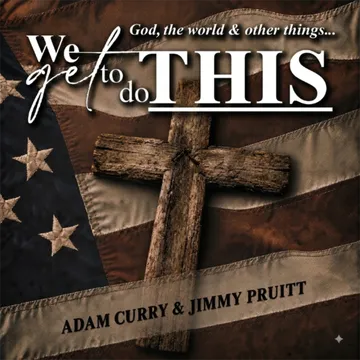
By We Get To Do This | 56m listen | 16 chapters
Tone Chaser cover
We Get To Do This · No. 14

About this episode

The Trump administration has launched an aggressive counter-narcotics campaign off the Venezuelan coast, resulting in the seizure of $500 million in cocaine. Secretary of State Marco Rubio issued a stern warning to the Maduro regime regarding territorial threats against Guyana, while the U.S. revoked Chevron’s operating license to sever financial lifelines to Caracas. These maneuvers signal a hard pivot toward American sovereignty and regional stability.

National security priorities are shifting as a new 33-page strategy document outlines the dismantling of the administrative state to favor domestic industrial growth and trade jobs in welding and electricity. In contrast to the European Union’s mandate for 90% renewable energy by 2030, the U.S. is pursuing energy dominance by rolling back vehicle mileage requirements and deregulating the power sector. This economic restructuring coincides with a proposed ARC alliance—a sovereign trade balance between America, Russia, and China—that bypasses globalist institutions like the WHO and United Nations.

Personal health and digital hygiene take center stage as the conversation explores the biological impact of cortisol spikes caused by morning smartphone use. Using the Jabra hearing aid technology as a case study for overcoming environmental noise pollution, the speakers advocate for a scripture-before-screens routine to combat information addiction. The episode concludes with a reflection on the Spirit of Truth from John 16:13, urging listeners to seek primary sources over media sensationalism.


CHAPTER 01 / 16 Discussion

Opening Prayer and Episode Introduction

The session opens with a prayer for guidance from the Holy Spirit and inspiration for listeners. The date is established as Wednesday, December 10, 2025, marking the fourteenth episode of the series. The speakers express gratitude for the opportunity to record and share their message.

prayer· holy spirit· jesus· december 10 2025· podcasting

00:00 And we are rolling, brother, if you want to pray us in. All right. Father, what a joy, what a privilege we get to do this. It's not just the name of a podcast. It's our heart. It's our mantra. It's our statement, our declaration, our decree that we truly get to do this. We are blessed to do this. We pray for today as we talk, as we have conversation, that you, by your Holy Spirit, would literally lead us and guide us through these conversations. I pray, Father, for our listeners that they would be encouraged, inspired, motivated, lifted up. That's our heart. And Lord, as we do this, as we press record, we thank you that we get to do this.

00:39 In Jesus' name, amen. Amen. It's Wednesday, December 10th, 2025. We get to do this. This is episode number 14. This is the life we've been blessed with. This is a gift. We get to do this. This is the chance we dare not miss. I had to think for a second there. What is the date? December 10th. Yeah, that's what it is. Should we start with old man talk? Oh, about our hearing aids? Yes. Man, we're just talking about that. So Apple did this big update new on their iOS and

CHAPTER 02 / 16 Discussion

Hearing Aid Technology and Environmental Noise Pollution

A discussion regarding recent Apple iOS updates leads into a conversation about hearing aid technology and the Jabra brand. The speakers explore the prevalence of hearing issues, attributing them to loud concerts, earbuds, and constant environmental noise pollution from appliances and public spaces. One speaker shares a personal experience with tinnitus and the benefits of using hearing aids to regain control over their auditory environment.

apple· ios· hearing aids· jabra· tinnitus· noise pollution

01:24 AI on top on their thing. So I can't get the settings to come up. I left the lines. I'm sure it has to do with the update. Well, what happens is, you know, then sometimes apps have to reconfigure stuff and release new versions. And then they have to have people write in and say, wait, this isn't working. There's a glitch here. Yeah. The thing that is interesting about us talking about the hearing aids, I think I've received 30 emails, 30 more, because I've talked about hearing aids before on my shows. That's funny. And people are saying, you know, I think I need them. I need to try them out. My dad, my grandfather. Little brother wanted the link. He's like, what's the link to that thing you're wearing?

02:09 It's a job raised. And it just made me wonder, is it do people really have hearing issues? One, could it be that we're so used to reading captions that we're losing some of our oral or audible capacity? Or have people blown out their ears with earbuds and music too loud? It feels like this. It changes a little bit of everything. It should not be happening. There should not be that many people who feel like their hearing's affected. And I would say that, you know, with the advances through our childhood in music and loudspeakers, and I think in going to concerts and everything we do, even Christian concerts are rocking.

02:52 I mean, you go, it's like, ooh, they got some ear, you know, some. Give me some plugs. Definitely. So I think there's that. There's a lot of environment. And there's a lot of, they call it noise pollution, just environmental. Everywhere you go. There's refrigerators running in restaurants. You go to a coffee house and you want some quiet. There is no quiet in a coffee. It doesn't exist anymore. People are loud, but there's the espresso machine, they're frothing milk. I mean, there's noise pollution everywhere. The fourth option is that people actually desire control over the sound in their environment because that's what it gives me.

03:32 And that's the way I've spoken about it. I would say you and me for sure were audiophiles in the sense that we love sound. We love good music. Yeah. But we love good tone. You know what I mean? Yes. Being a guitar player, I'm a tone chaser. That's what they call us. And it's never quite there. I mean, I've done this for 30-something years. Tone Chaser, do you like that? I do. Yeah. Thank you for writing down because after the show's over, what people don't know, you'll go, okay, what do we call this? And I'm like, duh. I mean, I literally am blank. It's second nature to me to write down a lot. Like, oh, yeah, yeah, I gotta write that down. We got an option now. I think people, though, have blown their ears out. I think the noise pollution. So like if I try to go silent, right?

04:16 Dead silent, all I get is tinnitus. Yeah, same. But it is getting better. Since I've been using these hearing aids, I'm noticing, and I'm doing these little exercises for my gut. And it seems to be getting better. Like right now, it's very minimal. Very minimal. Freakishly. Praise God. It feels good. It's just like silent. That's very not normal for me. That's nice. And I didn't even notice it until we were just talking about it. Yeah. But maybe, you know, but I think also this, there is this innate desire these days for people to just have control. We want control over our body. We're testing all kinds of things and stuff that's out there. And it just feels, it just feels like there's more people wanting this.

04:59 And I just questioned, like, maybe I should just ask them, why do you want it? What, what do you do? Really think you have hearing loss? Well, they should ask their wife or their husband or their friends. Yeah. And they'll tell them, yeah, you say what after everything. You know what I mean? Because that's how it was with Annette. She was like, please, do something. Get your ears checked. That was back when you had a spare pair sitting around. And I started fiddling with that. And I saw such a marked difference. But I'll be honest, there was a stigma. Did you feel? I did. Yes. I had to overcome it. But that's your own stigma. No, it's mine. People weren't actually pointing at you and saying, hey, look at that boomer. Nobody even notices me until I say, hey, have you seen my new hearing aids?

CHAPTER 03 / 16 Discussion

Developmental Psychology and the Three Chairs of Manhood

A men's devotional based on 1 Corinthians 13:11-12 introduces a framework of three developmental "chairs": the Little Boy chair (fear and survival), the Soul Man chair (reputation and ego), and the Spirit Man chair (authenticity and vulnerability). The speakers relate these stages to developmental psychology and the personal struggle of overcoming the stigma associated with aging and hearing loss.

1 corinthians 13· pastor brian· little boy chair· soul man chair· spirit man chair· psychology

05:44 I mean, nobody even looks. But, you know, we're, again, just we're so egocentric. No teacher. Yeah. So, um, yeah, I had to get over that. That's interesting. That reminds me of there was. It's a good show title. Get over it. Get over it. Get over it already. Comma already. Sorry. This is the devotional that Pastor Brian, I think, has set up. Oh, the men's devotional. The men's devotional. And the verse is 1 Corinthians 13, 11 to 12. When I was a child, I talked like a child. I thought like a child. I reasoned like a child. When I became a man, I put the ways of childhood behind me. For now, we see only reflection as in a mirror. Then we shall see face to face.

06:28 Now I know in part. Then I shall know fully, even as I am fully known. And the way this devotional broke it down is into the three types of men we are, which happens as we grow older, but also interchanges sometimes several times in an hour. And the first one is the little boy chair. Have you seen this one? No, no, no, no. This is when we live in fear or are only really concerned about our own needs. So it's kind of like, I just want my toys, survivalist. The soul man chair, this is the man of the world hiding his true identity, putting on masks, not living as his genuine self.

07:10 He lives out of his temporal self, concerned about reputation, image, status, money, material things, and his own needs. Which is kind of what you just said there. When you have a stigma like that, you're concerned about what people think about you. And then we have the spirit man chair. This is the chair we sit in when we are walking with the Holy Spirit. It represents our authentic self, living according to God's plan and direction. In this chair, we are vulnerable and are concerned about the needs of those around us. I was like, I always want to be the spirit man chair. But you're saying I'm not. That's not what I'm saying. No, seriously, that was a thing. And I had to ask myself, why does this bother me? Why am I worried about what somebody else thinks?

07:53 If I can hear well, isn't that crazy? If I can hear three tables over behind me in a restaurant, I should be happy about that. It's too bad worrying. It's too bad what you had to hear because it's never pretty well. It's always weird. Yeah. I'm almost stuck. Turn it down. I actually, when I first started wearing hearing, I just immediately went to, if you can't cover it up, turn it up. I was like, look at these things. I'm living in my own soundscape. You don't have that, do you? No. Right now, I'm listening to music while I'm talking to you and you don't even know it. It was still, you know, it was still the second chair. Like, please don't look at me and think of me as cool. Ah, gotcha. So I just thought that was kind of an interesting thing. And I recognize it now ever since reading that.

08:35 I recognize, oh, wait a minute. I'm in a little boy chair here for a second. Gosh, that's really good. Yeah. It was an interesting devotional. That's very informative. That reframes things. I like that because, so I took a class in my master's studies, my grad studies, called it was called Youth Development Psychology, but it actually went through adulthood, but we were in a youth focus class. So it took us, but it talked about the different stages of developmental psychology. That's very much in line with that. Oh, I'm sure. Yeah. You know, the child, the adolescent, and you can break those down into early adolescence, middle, late.

09:16 Some of us never get out of adolescence. And I say us on purpose. I was talking to Annette about that this morning. That I'm still in late adolescence, I think. So I don't think I'll ever get out of it. When you're playing that guitar, you are. Oh, brother. No kidding. No kidding. Leads me to today's daily grind. It's good, isn't it? Yeah. Hopefully, that helps somebody out there. Yeah. Today's Daily Grind, which you do every single day and you post it on X and Facebook, and you always send me my personal copy as we greet each other in the morning. 1 John 4, 4. You, dear children, are from God and have. have overcome them because the one who is in you is greater than the one who is in the world.

CHAPTER 04 / 16 Discussion

Podcast Wars and Social Media Comment Algorithms

The conversation shifts to the "podcast wars" involving media figures like Tucker Carlson, Candace Owens, and Pierce Morgan. The speakers analyze how social media algorithms intentionally foster strife in comment sections to drive engagement and capture audience attention. This digital conflict is compared to the saturated and often aggressive nature of old CB radio communications.

tucker carlson· candace owens· nick fuentes· pierce morgan· algorithm· social media

09:59 And your accompanying text was: it's interesting how quickly we can get overwhelmed by what is making the news in the world. There's a war for your attention, and we must guard our hearts from the evil one and his minions. And I picked up on that because I have been tracking for the past week and a half the podcast wars, which is basically Tucker Carlson, Candace Owens, Nick Fuentes, Milo is now back on the scene, Tim Poole, to some degree on the outside, Megan Kelly.

10:34 They're all going, and now Pierce Morgan has entered the fray. They're all talking about each other, being on each other's podcasts, and it has consumed a, I think, a reasonable portion of the online audience. And they're just consumed with it. And to me, well, there's two things going on there. One, if you read comments, and you know, so I really made a study of this. I'm not involved in it, and I'm nor do I intend to jump into this fray, but as a as something that's happening is very interesting to observe because you can see how the algorithm on comments, people don't often think about that.

11:20 It literally is pro, against, pro-pro against, against, pro-pro-pro, against, against. They are continuously, and that's very easy to remember. I never thought about Algo's impacting comments. Oh, yeah, brother. That's wow. That's the big one. And so they're, but it's not even, it's not like a bunch of people at Meta or Elon Musk is not sitting there going, ha, ha, ha, watch this. It is built into the algorithm. It's built into the system to do that. That is our American way. You know, we want to always create strife. That's why politicians do it. This is how we win attention. That's how advertising works. The whole thing is based on that.

12:00 It's starting to sound like CB radio. Remember when it got really saturated and just everyone's got a blah, blah, blah. Look at that. Come forward, buddy. And I'm going to kick your butt. That guy's no good. You hear what he said to you? What kind of intender you got there? That a moonraker? Yeah, moonraker. Remember those? Yeah, I had a moonraker. GPA, actually. GPA. You probably had a lot of wave, baby. But it's good for us to stop. And once you realize that that is the machine is doing that intentionally, that's when you have to figure out it's time to step. It's gotten so crazy.

CHAPTER 05 / 16 Discussion

Digital Noise Pollution and Morning Spiritual Routines

The concept of noise pollution is extended from physical sound to the digital assault on the human heart through online chatter. To combat morning anxiety and cortisol spikes, a routine of prayer and scripture is recommended. One speaker describes their practice of greeting the Holy Spirit and using the YouVersion app to set a peaceful tone for the day before engaging with technology.

noise pollution· audience capture· holy spirit· prayer· youversion· mental health

12:42 I mean, it's not even about Israel anymore. Now it's just about who said what. True. I noticed that shift. Literally. And I don't even spend time on this stuff. You don't even have to, it's so obvious and in your face. So I connected a dot here between, oh, and I lost it. Gosh, talk about old man stuff. I literally had a point. It'll come back. Algorithm. I had to do what we were talking about. Oh, noise pollution. Noise pollution. Yes. We were talking about noise pollution before being like physical noise pollution. Like you go into a coffee house, you want it to be quiet, but you got the roar of 18 refrigerators in a row, right? So that's just noise pollution everywhere. Sirens on, you know, a scene in an intersection, there's a siren going.

13:27 There's always something going on. And because we're talking about how it can damage your hearing. But think about the noise pollution online that we're experiencing. Massive. When I think about comments, I think about that CB radio scene you just did. Just this chatter and this non-stop verbal assault, which is, at the end of the day, it's an assault on your heart. Yes. Because that's the point. Yes. That's what the enemy is doing. He's assaulting our hearts. Because if he can, it's the same thing in advertising and promotion. If you can get their heart. Yeah. If I get your attention. Yes, sir. That's it. And so you called it audience capture is the word you used.

14:09 This is what we're talking about. Whether it's spiritual audience capture, it's all the same. At the end of the day, it's an assault on the heart. So I don't really have a conclusion other than exactly what that verse says. It's like, you know, in fact, let me pick it up again. Because the one who is in you is greater than the one who is in the world. Come on. Yeah. I mean, we just have to remember these things. I woke up. I wake up almost every single day. The first seven seconds, I can feel my brain going, oh no, oh no, this, that, that, that.

14:49 And, and because I'm weak when I awaken, yeah, we're in a bit of the vulnerable moment, completely vulnerable, and now I can recognize, I'm like, oh, uh-uh, no, you don't. Good morning, Holy Spirit. Good morning, Lord Jesus. Good morning, Abba, our Father, which art in heaven. I do the, I do it if I'm, you know, if I'm awake enough, my extended version with all of my extra bits and bobs in there. And then I'm ready. And then straight to, in this case, I usually do the you version app. Just give me the verse of the day. And I can physically feel myself calming down.

CHAPTER 06 / 16 Discussion

Biological Stress Responses and Sleep Hygiene

The speakers discuss the biological impact of cortisol dumps upon waking and the danger of checking smartphone notifications immediately. They advocate for "scripture before screens" to prevent a stress-driven day. Personal sleep habits are shared, including the use of brown noise to mask tinnitus and the practice of listening to sermons while falling asleep.

cortisol· rem sleep· brown noise· white noise· sleep hygiene· smartphones

15:26 And at the same time, recognizing how three years before three years ago when I got saved, how that would determine my mood, the mood in my house, the mood with my reactions towards other people. Absolutely. And it's like, what does it really take out of my day? I mean, I do a lot more, but 10 minutes, 10 minutes from start to finish, and you are good. And it's going to change your life, man. There's both a spiritual and a scientific explanation for that. We wake up, we're having a cortisol dump to start with. Cortisol takes you down. It's a stress hormone. You're starting to feel that spin-up. It's autopilot. It's auto. So that starts the minute you wake up towards the middle of the wake.

16:11 And there's various stages through sleep in the REM sleep and then other types of sleep where cortisol gets released. And depending on how you wake up and the first thing you do, the first few minutes of what you do determines. It literally can set the course for your day. You just said that. Literally. That's exactly how it feels. I actually talked to the staff yesterday about this very thing. Oh, yeah. Everything you're saying, I'm like, I just had this conversation with our team. Wow. Because I want them to, as I'm getting older, I'm learning things that work, right? Like, and things that don't. The biggest thing I said yesterday about waking up, same thing, routine.

16:50 You know, good morning, Holy Spirit, all that. But then is to put scripture before screens. Do not grab your phone first thing and see how many notifications you had through the night. Your toast. I mean, you're done. Even if you see the notification, but you don't go to it, the cortisol dumps happening. And you're already in a stress moment and you don't even realize it. And now you're jittery. Now, now you rush through your quiet time. You rush through your prayer time. You rush through your Bible reading. Why? Because I need to get to that notification. It's already got your heart. Your phone is a cortisol activation unit. Totally. Here's how I leave my phone. Upside down, no vibrator, no vibration. Just now, exactly.

17:34 Only thing goes off is the alarm, and it's not even the phone. It's in my earbuds, my Oslos. Right. My sleeping earbuds. I only use one. I'm weirdo. I'm so whacked with my hearing with the right side and the left. Yeah. So I just put it in the left so I could have also, and all it runs is brown noise. Just what? How is that different from white noise? It's a deeper, deeper sound. Yeah. It's lower, lower frequency. Yeah. White noise makes me nervous. It makes me edgy because it's interesting. It's high-pitched. I like the low pitch. I don't think I could sleep with that. When Tina's not home, which doesn't happen often, I can easily put on a sermon or a podcast and listen to it and fall asleep to it.

CHAPTER 07 / 16 Discussion

National Security Strategy of the United States

An analysis of the 33-page National Security Strategy document released by the Trump administration highlights a shift away from globalism toward American sovereignty. The document outlines a roadmap for rebuilding the industrial base and hollowing out the administrative state. The speakers emphasize the potential for high-paying trade jobs in welding and electrical work as part of this "bottom-up" economic restructuring.

donald trump· national security strategy· globalism· middle class· apprenticeships· manufacturing

18:20 And I always have the feeling, I got it. I got something. Your spirit definitely got something while I was sleeping. Absolutely. For sure. So, kind of on that, because everything is so unreliable and so full of, pardon my French, crap. I took a gander at a very important document that our president published. Because, you know, if you look at the news feeds, like it's drug boats, it's we're going to take over Venezuela. Slaughtering people on the seas. All of the, you know, innocent drug runners.

18:58 Trump cares more about other countries than our country. And so this document is something that every president releases. It's the National Strategic Security Briefing Document. I think that's what it's called. Let me see what the official term is. I have it on my pad here. I have the PDF. National Security Strategy of the United States of America. And so this is literally, this is what we're doing. Sounds weighty. It's only 33 pages. I know magic number, but it's 33 pages. It is plain English. It is well worth everybody's time to read if you want to understand what the president is doing.

19:41 And, you know, you and I have talked about this. It's not really 5D chess. It's just, it looks like that because your attention is pulled to Candace Owens, Tim Poole, Fuentes, Charlie Kirk, Charlie Kirk. Sadly, he's at the bottom of the discussion now, even though it all started with him. Right. So I won't read the opening from the. Put Kirk Cameron in there right now. Yeah, right. The opening from, so he had a one page, and it's basically everything sucked until I showed up. Okay, we understand that. And he says, what follows is a national security strategy to describe and build upon the extraordinary strides we have made.

20:26 This document is a roadmap to ensure that America remains the greatest and most successful nation in human history and the home of freedom on earth. In the years ahead, we will continue to develop every dimension of our national strength, and we will make America safer, richer, freer, greater, and more powerful than ever before. So very Trump-esque. Very. This document is well written, not by him. And it starts off with what is the American strategy? And, you know, if you ask people on the street, I don't think they'd have a clue as to what is our strategy. What is our strategy as a country, as a nation? And, you know, of course, to ensure that we achieve our goals, we have to have a strategy.

21:07 So lay the whole strategy out. Is that on your remarkable? It is. You can import PDFs and you can highlight it. Oh, yeah. This is. Good to know. Trey was showing me his today. I love the highlighting ability of PDFs. So just, I'm going to do a paragraph here or there. I just want people to hear it so that you can say, yeah, I read that. It's a great document, even if you didn't. Our elites badly miscalculated America's willingness to shoulder forever global burdens to which the American people saw no connection to the national interest. So he's talking about elites. I love that. You know, this is a term that the common man, you know, the elites over there.

21:42 Right. They overestimated America's ability to fund simultaneously a massive welfare, regulatory, administrative state alongside a massive military, diplomatic intelligence, and foreign aid complex. They placed hugely misguided and destructive bets on globalism and so-called free trade that hollowed out the very middle class and industrial base on which America's economic and military preeminence depend. They allowed allies and partners to offload their costs of their defense onto the American people and sometimes suck us into conflicts and controversies central to their interests, but peripheral or irrelevant to ours.

22:22 So this is exactly the complaint that people have, that some detractors of the president will say, he's only doing that. He's saying, no, this is what we were doing. The questions before us now are: what should the United States want? What are our available means to get it? How can we connect ends and means into a viable national security strategy? So obviously, I'm not going to go through the whole thing. I will give some highlights, but there's some important words in here. Right off the bat, what do we want overall? First and foremost, we want the continued survival and safety of the United States as an independent, sovereign republic whose government secures the God-given natural rights of its citizens and prioritizes their well-being and interests.

23:06 I love it when he puts God right on page one. That really, that just gave me a good feeling. I love that. So what he's doing, what people, what you're not being told because we're too busy with other things in the media, is really. Look over here. Look over here. Alert, alert. Breaking. We want the world's most robust industrial base. And if you see, we're going to be building more Toyotas in America. We're going to be building ships in America. Yeah, the data centers is all in America.

23:44 And there's a million apprenticeships which have been stimulated by the U.S. government. So for the Gen Zs out there listening, and maybe even the Alphas. Oh, is that your coffee machine? I'm hearing that. Yeah, the coffee machine is doing its thing. It's growling at us, Jimmy. Don't worry about it. It's fine. It's only me who hears that. How high do you have those turns? That's just me. You're rocking your ear and aids. If we can get away from the, I need to go to college, go into debt, and get a poli-sci degree or whatever, and think about, I mean, there's going to be an opportunity for people to make $150,000 to $250,000 as electricians, welders, builders,

24:36 tradesmen. And when we have that, then we will have companies that. that need marketing executives and other things. He is rebuilding our country from the bottom up and kicking all the nasty stuff out. It truly. Wow. And everything I read in this document, kind of like the Monroe Doctrine, which is like we want to be us, and we're going to be mainly concerned with the Western Hemisphere. So from North to South, instead of continuously focusing on the East and the Middle East and Asia. And it's just, it is an incredible. When did this document come out?


CHAPTER 08 / 16 Discussion

European Energy Policy and American Economic Independence

The discussion critiques the European Union's move toward 90% renewable energy by 2030, suggesting it creates economic instability and fear among citizens. In contrast, the U.S. strategy is described as prioritizing energy dominance and deregulation, such as removing strict mileage requirements for cars to allow for more affordable domestic vehicle production.

european union· renewable energy· immigration· nato· manufacturing· deregulation

25:17 When was this release? This came out about a week ago. Okay. And there's a couple other things. Has anyone talked about it? Because it seems like. Well, the only way it's talked about is: Trump says that the European Union will be extinct in 20 years. Well, he does kind of say that. He said, if you continue with your immigration policy and by removing the natural resources of energy that you have, energy equals life. So the European Union just today said, we're going to be 90% renewables by 2030. You will be dead. My daughter literally got. My daughter lives in Holland.

25:55 She literally got a brochure, a full-color five-page booklet, what to do in an emergency when the electricity goes out. Like, you know, you need candles and a flashlight and food. They're scaring these kids because they know that if they go down this path eventually, yeah, you can't have all-electric cars and have windmills powering it at the end of the day. You know, it's just, they're crazy. I just want to read this one. Oh, yeah, here it is. So what are America's available means to get what we want? The courage, willpower, and patriotism of the American people.

26:39 I love these kinds of words. Returning economic freedom to our citizens via historic tax cuts and deregulatory effects. He just changed the mileage requirements for automobiles, which is the reason we couldn't build really cheap cars in America, because you have to get 50 miles to the gallon. Oh, right. Yes. We remember that. Right. So that's now gone. You know, so now there will be $14,000 brand new cars available. Yeah, that's the face I made, too. Wow. Yeah. You literally couldn't build that stuff. Okay. Let me just find the last bit here.

27:20 Non-interventionism, primacy of our nation, pro-American worker. He's literally, this is the split. We're kind of seeing this MAGA versus America. And he says America first everywhere here, which is, you know, he's just trying to make sure he reclaims that word. Yeah. But people who are confused that what he is doing overseas is for other countries, they are confused. It is bringing the money and the production to us. They've been manipulated to be confused. Completely. That's the whole point. Yes, completely, which is always a political move. The era of mass immigration is over. Then he says, hey, if NATO doesn't want to pay up, then they can go figure it out, which is probably energy dominance.

CHAPTER 09 / 16 Discussion

Counter-Narcotics Operations and Venezuelan Sanctions

The U.S. military's aggressive counter-narcotics campaign off the coast of Venezuela is examined, including the seizure of half a billion dollars in cocaine. The Trump administration's decision to end Chevron's operating license in Venezuela is highlighted as a move to cut off a financial lifeline for the Maduro regime. The speakers argue that disrupting these drug routes is essential for global financial stability and domestic safety.

venezuela· nicolas maduro· cocaine· u.s. coast guard· chevron· war on drugs

28:06 We'll get to that in a moment. I brought some clips about that. We will deny non-hemispheric competitors the ability to position forces or other threatening capabilities or to own or control strategically vital assets in our hemisphere. Yay. So this is kind of critical when it comes to what's really going on with Venezuela. And I have a couple of clips that I brought so that we can understand what's really happening. And you have to understand that Venezuela should be one of the richest countries in the world, considering the resources they have, which are mainly to oil and drugs. I hate to say it, but I was listening to a podcast.

28:48 It was actually a Christian podcast. And they were saying, well, if Trump is willing to kill those guys with those boats, why don't you kill the drug dealers? You have to cut the head off, the snake off at the head. You can't just be wagging at the tail the whole time. So here's two clips from the same report about Venezuela because it's really two issues. Just this year, the U.S. Coast Guard has seized almost a half a billion dollars worth of cocaine off the coast of Venezuela, and the Trump administration has gone on the offensive. In recent weeks, the U.S. military deployed eight warships, surveillance planes, a nuclear submarine, and ten stealth fighters to the region.

29:28 Last week, the U.S. struck a suspected smuggling vessel, killing 11 in a mission authorized directly. directly by the president. Officials say the surge is part of an aggressive counter-narcotics campaign. Billions of dollars of drugs are pouring out of Venezuela and other countries. Venezuela has been a very bad actor, and we understand that. Maduro's government denies the charges and insists the drug war is being used as a reason to destabilize his government. Venezuela is not a relevant country in terms of drug trafficking and in all related matters.

30:06 So this lie is as crude and false as the claim that Iraq had weapons of mass destruction. Maduro has mobilized millions of militia members and warned Venezuela could declare a republic in arms if attacked. Venezuelan fighter jets have twice buzzed U.S. Navy ships in international waters. The U.S. commanders say any further threats could be met with force. So it's important to understand that that is, of course, an analogy that's not true. I mean, there may have not been weapons of mass destruction in Iraq, but there's most definitely drug production in Venezuela. Right. And this is cutting off of important money supplies. You know, I think we've talked about this before.

30:50 By the time it gets down to the street, and if you go all the way back to who's running it, it is hundreds of billions of dollars, which is flowing all throughout the money system. If all of that went away worldwide, Wall Street would literally collapse. And you can just have to look at some of the numbers to understand how important that is. So reducing that slowly is good. In Europe, illegal drug prices have doubled. So what happens? Maybe I'm not going to buy some drugs today. Maybe I'm going to not do that. So it has a very positive effect. This is a true war on drugs, which you've never actually had. I've heard it throughout my lifetime.

CHAPTER 10 / 16 Discussion

Territorial Disputes Between Venezuela and Guyana

A border dispute between Venezuela and Guyana over oil-rich territory is discussed, with Secretary of State Marco Rubio warning of military consequences for Venezuelan aggression. The speakers note that ExxonMobil has significant interests in Guyana's offshore oil fields. The U.S. military buildup in the region is framed as both a drug interdiction effort and a deterrent against a Venezuelan invasion of its neighbor.

guyana· venezuela· exxonmobil· marco rubio· oil reserves· territorial claims

31:31 Now, there's something else going on. If you look at the map, you've got Venezuela and right next to Venezuela, Snapquiz, Guyana. So they border on each other. And there's been a dispute between Venezuela and Guyana. And this is the thing that no one talks about. That started, well, it's been going on for 100 years, but it really started to heat up about a year ago when the president of Venezuela, Maduro, said, yeah, I think that's our land. This report will kind of explain why this is a problem for the United States. And this, by the way, is only, you know, you can fly for 30 minutes, you know, or a little bit longer.

32:14 You're right down in Venezuela. It's not that far from the south of our country. You know, this is, and it's Western hemisphere. Another facet to this conflict is playing out here in Guyana. Venezuela's tiny neighbor has been under threat as Venezuela claims sovereignty over approximately two-thirds of the country, along with massive offshore oil reserves. One key in this conflict is the U.S. has major business interests here, with ExxonMobil and other companies developing huge new fields. Washington's security posture may also be aimed at deterring Venezuelan moves against Guyana. Venezuela doesn't even have any roads that connect it to its neighbor to the east here in Guyana.

32:55 And the border dispute between the two countries was supposed to have been settled more than 100 years ago. Venezuela never really made much of a fuss about it until 11 billion barrels of oil was discovered offshore. And now Venezuela wants to take over an area of Guyana about the size of Florida. And that's why when Secretary of State Marco Rubio came here in March, he made it very clear to the Venezuelan government, keep your hands off. There will be consequences for adventurers. There will be consequences for aggressive actions because you have a very difficult challenge on your hands with a dictator that's making illegitimate territorial claims.

33:36 Pressed on whether the U.S. would back Guyana militarily, Rubio left little doubt. It would be a very bad day for the Venezuelan regime if they were to attack Guyana or attack ExxonMobil or anything like that. It would be a very bad day, a very bad week for them. The Trump administration has a $50 million bounty on Maduro. So while U.S. officials frame the buildup as counter-narcotics, the sheer firepower deployed raises questions whether Washington is preparing to go beyond interdiction and possibly move to oust Nicolas Maduro from power. For certain, the stakes are rising. Whether this confrontation stops at drug enforcement or escalates into regime change may depend on Maduro's next move.

34:18 So ExxonMobil has had the oil contract with Guyana for several years. That's an American company. And when you have a neighboring president saying, well, we're just going to move in, that's our interest. And it's like, there's no doubt we're not there illegally. We're not hijacking. We pay Guyana. It is a huge resource. It is so big that the president actually did two things in one, because if you have too much oil flowing, you're going to hurt the producers in Texas and South Dakota because the price is already kind of at a break-even point for them.

CHAPTER 11 / 16 Discussion

Global Geopolitics and the ARC Alliance

The speakers explore a potential geopolitical shift toward a "balanced" trade relationship between three sovereign powers: America, Russia, and China (ARC). This vision rejects globalist institutions like the WHO and UN in favor of national culture and fair trade. The discussion also touches on the complexities of drug trafficking routes through the British islands and the impact of high drug prices in Europe.

russia· china· sovereignty· money laundering· drug trafficking· geopolitics

35:03 So you want to reduce the oil somewhere else. So he just said to Chevron, another one of our companies, we're going to do a twofer here. You're not going to drill in Venezuela anymore and pay the Venezuelan government. The Trump administration is ending Chevron's license to operate in Venezuela, which allows the Maduro regime to export oil to the U.S. Oil experts are a financial lifeline for the Maduro regime. Chevron producing about 220,000 barrels of oil in Venezuela every day. Joining us now, Ryan Berg, director of the Americas program at the Center for Strategic and International Studies.

35:41 Ryan, thank you very much for being with us today. You study Venezuela. How significant is President Trump's decision? Well, thanks for having me on, Jose. This decision cannot be underestimated. It's very significant. You said it yourself in the opening. Chevron produces well over 200,000 barrels of oil per day in Venezuela. On average, the country only produces about 850 to 950,000 barrels of oil per day, depending upon the month that you're looking at. And so this is 20 to 25 percent of Venezuela's overall production, so much so that Venezuelan economists were starting to refer last year to El Efecto Chevron in Spanish, or the Chevron effect, how Chevron is actually revitalizing our oil industry and therefore our economy with its partnerships with Pede Vesa, the state-owned Venezuelan Enterprise.

36:28 So this is very, very significant that the Trump administration is deciding to end GL41, which is the license that gives Chevron the ability to operate in Venezuela. So reading the National Security Strategic document and seeing what's happening, he is following exactly on what he said he would do. And there's no reason for us to invade Venezuela. I think we have an entire fleet there for two reasons. One, if you decide to go into Venezuela or into Guyana, as Secretary of State Rubio said, it's going to be a bad week for you. Yeah, because that is actually an act of war if they did that. It's crazy.

37:08 That actually came from CBN, that report. I was blown away because you won't find it on any other news network because they're all wrapped up in all kinds of things. So that's part of the reason we're there. Also, I think the signals intelligence, if you're right off the coast, they know exactly where the drug, how the drug routes work, where it's being fabricated, et cetera. And I do expect that to be taken out. I think that's really, Trump is anti-drug, man. He's anti-a lot of stuff like that. So it's to keep us safer and keep us prosperous with international deals we have that we just love to keep without any intervention.

37:47 So does Venezuela, do they run their drugs through like Cuba, Havana, Dominican Republic, Puerto Rico, or are those just well, you mentioned a lot. A lot of it goes to the British islands and from there it's shipped out because most of most of these drugs I think are probably going to Europe. Some of it's coming to the U.S. But that's where the money laundering all takes place. So it's much bigger than just Venezuela, but it does not go to Cuba. No, it's and they'll hand it off. Either they'll refuel, most of these drug boats are filled with fuel at the bottom.

38:30 They'll refuel or they'll hand it off to a ship at sea. It all kind of depends on where you're at. And so everyone who's complaining about this about this, and I don't like death is no good. Killing people is no good. But they're not complaining. They're not complaining about the people. They're complaining about the value of what has been destroyed. It's even hard to explain how much money that is and how important it is to people who are not necessarily our friends. And it's also sending a signal to the rest of the world. It sure is. I mean, this is like a wake-up call. And if you look at the document, President Trump is kind of clear.

CHAPTER 12 / 16 Discussion

Cabinet Meetings and American Agricultural Policy

The transparency of modern cabinet meetings is praised, with the president described as running the country like a CEO. A specific example is given regarding the Secretary of Agriculture and rice farmers complaining about India and Japan dumping cheap rice into the U.S. market. The speakers express excitement about the transformational nature of these business-oriented government proceedings.

cabinet meetings· secretary of agriculture· rice farmers· india· japan· tariffs

39:13 There's three big sovereign nations, America, Russia, China. Says, we want everybody to have their own vibe, be yourself. yourself, have your culture, whatever. Let's have trade amongst each other. Let's make it balanced and fair. And I think this ARC idea, America, Russia, China, I think that is going to be our future. It's a total zig to everybody else's zag. Wow. And all these globe, it's all in the document. We don't want globalist institutions telling us what to do. That's your World Health Organization. That's your NATO. That's your United Nations. These are World Economic Forum is a drinking club.

39:56 I was going to say, I actually, that's why I didn't finish that statement. No, that's not up there. Well, they had Klaus Schwab, you know, he got kicked out because of some funny business with expenses and other things. But he was the perfect lightning rod for globalism because he just has the voice, everything looks evil. They say evil things. He's the villain. He looks like a villain. Completely. But the real villainous organizations are the ones that are right in your face. United Nations being one of them. So I'm really bullish on what's happening. And man, I love these cabinet meetings that the president does. Three hours, four, it's like a board meeting. It's like the staff meeting. I mean, yours is shorter, I'm sure, although maybe not all time.

40:41 But everyone does their report. Here's what we're doing. Here's what we're getting to. And I literally saw the Secretary of Agriculture bring in the rice farmers. And the rice farmer, she said, you know, Mr. Trump thinks President Trump thinks are going well, but we have a problem because India and Japan are dumping their rice, which means they're getting rid of it under the price into America. And the president does what any CEO would do. Who is it? Give me two paragraphs. I'll end that tomorrow. I mean, this is. He's running a business. He's running the business of America. Yeah. So when we... And it needs to be run that way. Absolutely. Well, political patty cake.

41:21 The business of America is business. It's always been that. Mainly farming, which, you know, I love that he's, you know, his whole mantra is the farmers don't want handouts. They just want a fair shake. And so I just hope that people pay attention to, you know, some of the things that are not in the noise or that are actually hidden in the noise. Maybe I should say it that way. Yeah, because you're missing one of the you should be able to say to your grandkids, I was there when all that happened. It was amazing what took place. It was transformational. Now, maybe he doesn't pull it all off.

CHAPTER 13 / 16 Discussion

Media Literacy and Seeking Primary Sources

Listeners are encouraged to bypass media spin by going directly to primary sources like C-SPAN or official government documents. The speakers argue that most "breaking news" is designed to trigger fear and capture attention. They reference the biblical book of Ecclesiastes to remind the audience that there is "nothing new under the sun" and that modern crises are often rehashed historical patterns.

c-span· fox news· no agenda· ecclesiastes· media literacy· breaking news

42:00 I don't know. But man, for just less than a year, I'm seeing this happen. I am very excited about this. So talk about for a minute, because this goes hand in hand with this, the bait and switch things that happen with the media. I know you talk about it a lot. I've heard you on No Agenda. You and I have had many conversations about this. I've talked about it from the pulpit. But we need to like, say there's new listeners, somebody's just jumped in on us. Talk about over here, over here, why that's a problem. What media is trying to draw you into? Well, media. Well, everybody has their own agenda for whatever reason. And most Fox News. Everybody has their own agenda.

42:44 Okay. Okay. Just clarifying. Everybody has their own agenda. As odd as it seems, the best thing sometimes is just to go to the source. What is the source? Well, they're talking about some document. You can ask your AI, you can type it into Google. And it's always amazing to me. I took three months of college and dropped out. I've been a disc jockey most of my life. I can read this. You can read this too. It's not all that hard. It's not written for elites. It's written for you. This is probably the thing I like the most. So if you want to know what the president is actually doing and what each one of his cabinet members,

43:29 it's on C-SPAN. You can get the live streams on YouTube. Just watch it. They're speaking English. And it's actually, it's like The Apprentice. I mean, he's running it like The Apprentice. He's trying to make this an exciting, interesting type of show. And it's really, you know, you're not incentivized by anybody to do it. But if you actually do that, you'd be surprised how much you learn. And you can do the same with the European Union. You may feel dark or gray after watching some of their European Commission showers. But that's really, I started watching C-SPAN 20 years ago. Wow. And I was always auditioning. This runs constantly. It's just ongoing feed. It's now on YouTube TV. They just added it.

44:13 And even the clips they have, I've always been amazed at like, well, this is exactly. exactly the opposite of where I heard the news talk about it. And which includes Fox News. Or how come no one's talking about this? This is actually interesting. Now, a lot of it is show, particularly when you get like the house and they're doing their back and forth, but there's committee meetings and other things that are actually super interesting. And of course, you want to be listening to We Get To Do This podcast. This is your little palate cleanser midweek. You need that. And yeah, no agenda.

44:54 But there are others out there. But try to go to the source as much as possible. You'd be so surprised. I mean, and ultimately, what is the source, brother? Come on. The source is the book. Truth. When you get back to that and you're just looking for something to help you understand what's going on in the world, I'm starting to figure that out. Perspective, what happens is it puts your feet back on solid ground where you can get perspective on what's going on because there's nothing new under the sun. I mean, Solomon had it right in Ecclesiastes. There is nothing new under the sun. Everything is spin. Everything's a rehash. Same song, 7,000th verse.

45:36 And what happens is, is that we keep thinking there's something new coming along. There's something different, or this is different. We've never seen things like this before. And you hear that all the time in media. And the truth is, yes, we did. 1967, 1974, whatever. This has happened before. Nothing new under the sun. That has helped me just understanding the truth of that. So that when I walk into Planet Fitness and there's 32 screens up there and they all say alert breaking news, I yawn now. I used to like, oh my gosh. And you can see the whole gym stop. People stop and they're God. Oh, really? Stop this screen. Oh, yeah. They're God's. No way. Oh, that's crazy. Oh, yeah.

46:18 And I mean, they may still be on their elliptical. Okay, they're still moving. They're still moving. But they're like looking at, and I'm watching this dynamic and I'm going, they're saying, look over here, look over here. There's something else going on. If there's anything you've taught me, it's that. There is something else going on. And we've got to begin to get the sons of Issachar. We've talked about this. The men of Issachar understood the times and knew what Israel should do. I think that Ecclesiastes is really good right now because of the time and Solomon was the richest, wealthiest king in the world. And for him, it always came back to, yeah, but that didn't make me in. It didn't satisfy me.

CHAPTER 14 / 16 Discussion

Holy Spirit as the Spirit of Truth

The discussion focuses on John 16:13, which describes the Holy Spirit as the "Spirit of Truth" who guides believers into all truth. The speakers emphasize that while facts are temporary and subject to change, spiritual truth is eternal. They urge listeners to use the "mind of Christ" to discern reality amidst the "hair on fire" sensationalism prevalent in modern society.

john 16· holy spirit· spirit of truth· discernment· bible· faith

47:02 That didn't do it for me. That's just vanity. It's all vanity. It's all vanity. It is. Every single, I just, yeah. What other scripture do you think would fit in for this time that we're in right now? Well, I mean, definitely the 1 Samuel. That's the men of Issachar. But I think, too, we got to think in terms of truth, what truth is. So in John 15, let me just find this real quick. I love this scripture. It talks about the spirit of truth will lead you and guide you into all truth. So hold on. I'm going to give a trade secret Bible verse. Here's his prompt, everybody.

47:42 About the spirit of truth. Quotes, ellipsis. Yeah, trying to help people out who want to do research. Yes, Chef. Sure. So it's John 16, 13. I love this scripture. So it wasn't 15. It was John 16, 13. Oh, we'll let you slide. One off. Yeah, yeah. One off. Oh, boy. Off a chapter. So that whole, that's all about the Last Supper. That's when Jesus was sitting around the table with his guys. So it says this. He says, in verse 12, I have much more to say to you, more than you can now bear. Right. There's more to say, but you can't tell it all. You're already way content loaded. Verse 13.

48:26 But when he, the spirit of truth, comes, he will guide you into all truth. He will not speak on his own. He'll speak only what he hears, and he will tell you what is yet to come. So we're told by Jesus that the Holy Spirit, the spirit of trees, he's been talking about the Holy Spirit through this whole thing. It's the Holy Spirit, will come after Jesus was crucified and ascended, which he did. We saw that in Acts chapter 2. He says, he will guide you into all truth. All right. That is a defining statement. Yeah. All truth.

49:02 And he will guide you into all truth. So if we're willing to listen and we're willing to press pause or shut our computer screen or put our phone face down for five minutes and say, Lord, is this true? Holy Spirit, you're the spirit of truth. Your word also says, I have the mind of Christ, so I can think different. I can reason well. It also says, You've not been given the spirit of fear, but of power and of love and of a sound mind, the ability to think well. So we've got all these tools, but a tool is only as good as the person who actually picks it up.

49:40 You got to pick it up and use it. That's right. So we've got this. So when I read this, the spirit of truth comes when he comes, which he already has, and he takes up residence in a believer. He will guide you into all truth. If it said nothing more, that's all I need. Yeah. He already knows I've got somebody in me with me, dwelling in me that will literally guide me into all truth. So we need to be able to do that. That's what I need. Ask and listen. Now, you can read your news feeds. You can watch C-SPAN. Those are good things. Just in terms of being aware of more specifics. But at the end of the day, what matters more? Facts or truth?

50:23 Yeah, truth. Facts are temporary and subject to change. Truth is eternal and never changes. So he's saying he's going to lead us into all truth. So that to me speaks to what we're learning here. Yeah, we're learning this stuff. But I love the title of the two shows ago, Hair on Fire, my favorite title so far in our series of doing podcasts. We could do it every single show. Hair on Fire 2.0, 3.0. I mean, we could literally rename all these that, but that'd be a good podcast. Hair on Fire podcast. But to me, that's what happens is people run off. And I see people I love and respect. People go to my church and I just love them. I know them. I do life with them.

CHAPTER 15 / 16 Discussion

Overcoming Information Addiction and Visceral Reactions

One speaker shares a personal story about their history as an "info junkie" and how they have learned to push back against the constant stream of news. They describe observing a spouse's visceral reaction to a news headline as a classic example of "audience capture." The segment highlights the difficulty of escaping the psychological hooks used by digital media to maintain user attention.

audience capture· information addiction· news feeds· internet· psychological triggers

51:03 And I see them posting and reposting. They're just, again, running with their hair on fire when we have the spirit of truth available to us who will guide us into all truth, which means when I hear truth, it trumps facts every time. Yes. It always trumps facts. And so that's how I lean into breaking alert, you know, all this stuff that's going on, you know, exclusive. This kind of brings us all the way back to where we started. Exactly. That is all, that is all noise. It's just noise. That's what noise pollution. It's noise pollution coming in through all your senses, through your ears, your eyes, not smell.

51:48 But I think if you really got close to the screen, you'd probably sniff it. They definitely hit you auditory with all the background tracks they're running. You know, the sound of busyness and running and sirens. And when they first started that, I was laughing because I was going, soundtrack. Oh, yeah. You got to get it dramatic. Well, you'll see it. You'll start to recognize. They're called nat pops, natural pops. So someone, I didn't bring that. I learned something new every day. Someone actually brought, I did a report of this national security document, and every like 15 seconds, you heard a missile going off or a machine gun.

52:31 You're like, well, the national security strategic document. Wow. And that's somewhere out on the battlefield giving this report. And it's not even that. It's just there to form your opinion. And it's subtle. It was like, go to the movie theater. Yeah. Jaws. Classman, right? Class. You just made my go up. And then even though it turned out to be some kid with a fin on his back, swimming, boom, boom, boom, boom, boom, boom, boom, boom. You get all worked up and then, ah, here tubular bells to this day freaks me out from the exercise. I mean, I'm just like, dah. Yeah. I know. But so let's go back to where we started.

53:17 It's an assault on your heart, and it's an attempt to steal your attention. Audience capture. At some point, it's not even stealing your attention. It's holding on to it. That's the true capture. We have to wrestle ourselves out of it. Because the minute you get triggered by, and it's easy, you know, we still have the COVID trauma. Like, we don't trust our government. You know, this is a different government. You shouldn't trust everybody all the time. I'm not saying that. But the noise that's being created is pretty thick and dense, and it's pretty dirty.

53:58 I'm going to put an Easter egg for Annette. So she sitting across the living room. At the end of the show, really? That's almost almost unfair. We'll see what happens. So we'll be sitting across the living room. room and, you know, our TV's off or whatever. And I hear her go, oh, my goodness. Oh, my gosh. Out loud. And it's hard not to say, what? I know. I do the same thing. What, honey? Yeah. And she said, have you read this? No, I haven't actually. She's been keeping me more informed than anything right now because I'm literally running from this stuff. And she said, well, this is what so-and-so said. Let me read it to you, you know, or let me play this.

54:39 And I'm laughing now because I used to be the one that was swimming in that water. Really? Oh, yeah, man. I'm just news feeds. I'm an info junkie. Before the internet came along, I was an info junkie. It just fed what was already there and made it worse or better, depending on what you're being a junkie over. But because I'm a study, I'm a nerd. I like information. I like to get in the weeds. I love words and semantics and all that and vocabulary. So the internet comes along, and I'm like sitting mainlining it. Oh, my gosh, it is amazing. So I've gotten better about pushing back. And so it's so funny to hear, oh, my gosh, just a visceral reaction.

CHAPTER 16 / 16 Discussion

Closing Remarks and Godcaster App Promotion

The episode concludes with a recommendation for listeners to check out the Godcaster app for spirit-filled content. The hosts exchange final words of affection and confirm they will return for another episode the following week. The show ends with a musical refrain about the blessing of their work.

godcaster app· podcasting· benediction· christian media

55:21 She didn't realize she said it out loud. What is that? That's audience capture. It's getting hooking, hooking you. It's like a good song has a good hook, but so does a good news article. A good news article always has a good. Oh, speaking of her. Hey, there she is. She is. Hello, Damonette. How are you doing? Yeah, we're landing the plane. We're landing it right now. With that, why don't we end it? Come on, brother. Everybody, check us out on the Godcaster app. You'll find a lot of, it's spirit-filled, all kinds of beautiful stuff there. Or, of course, anywhere where you get your podcast. Brother, thank you so much for another catch up with the mic on.

56:03 I love you, brother. We get to do this, and we will do it again next week. Join us there. Bye, everybody. This is the life we've been blessed with. This is a gift we get to do this. This is the chance we dare not miss. This is the life we get to do this.